Celebrating 60 Years of Impact!

A Look Back Through Our History

1960's: A National Call to Fight Poverty - and a Local Response

President Lyndon B. Johnson signs the Economic Opportunity Act in 1964, launching the War on Poverty and inspiring communities across the country to act.

1965

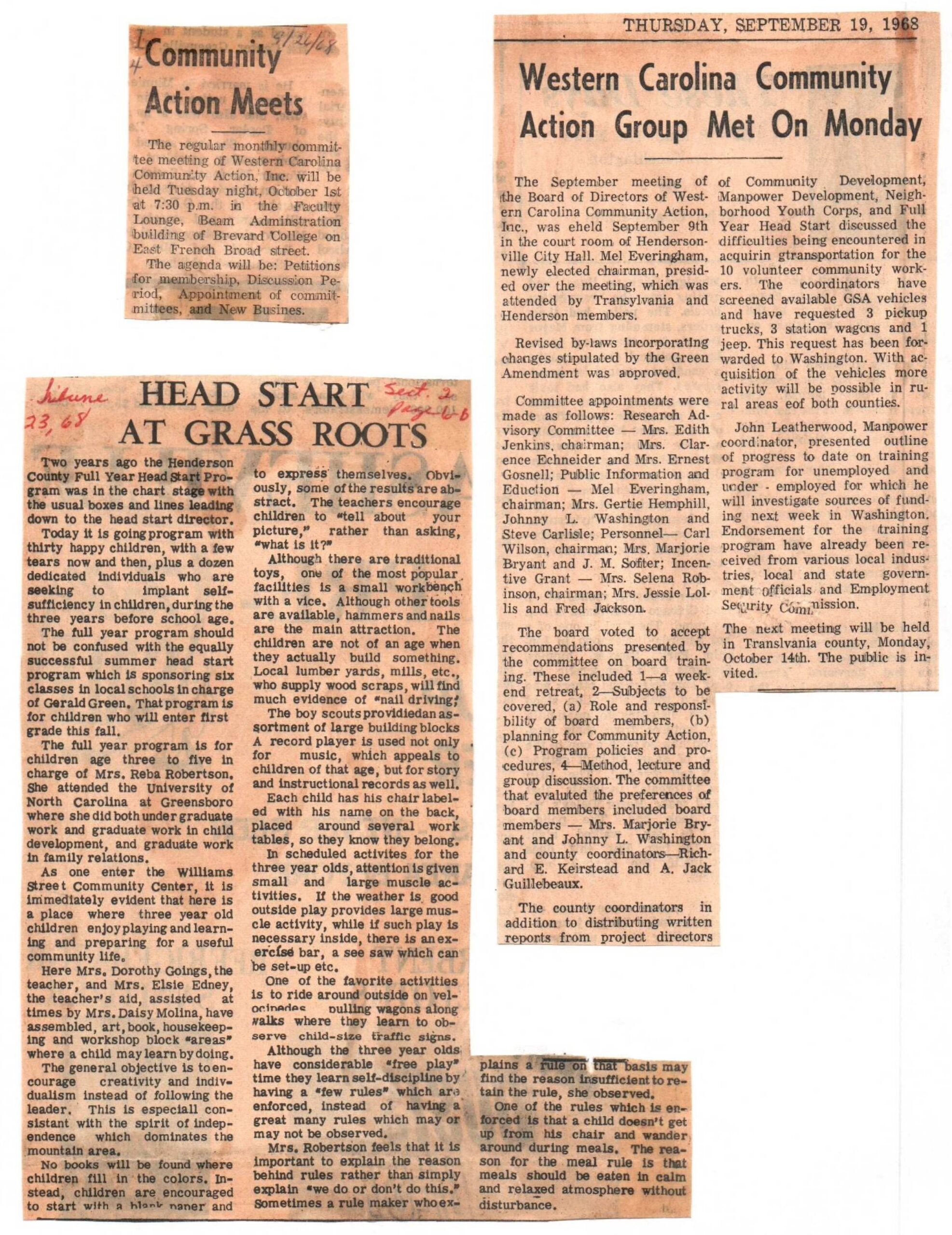
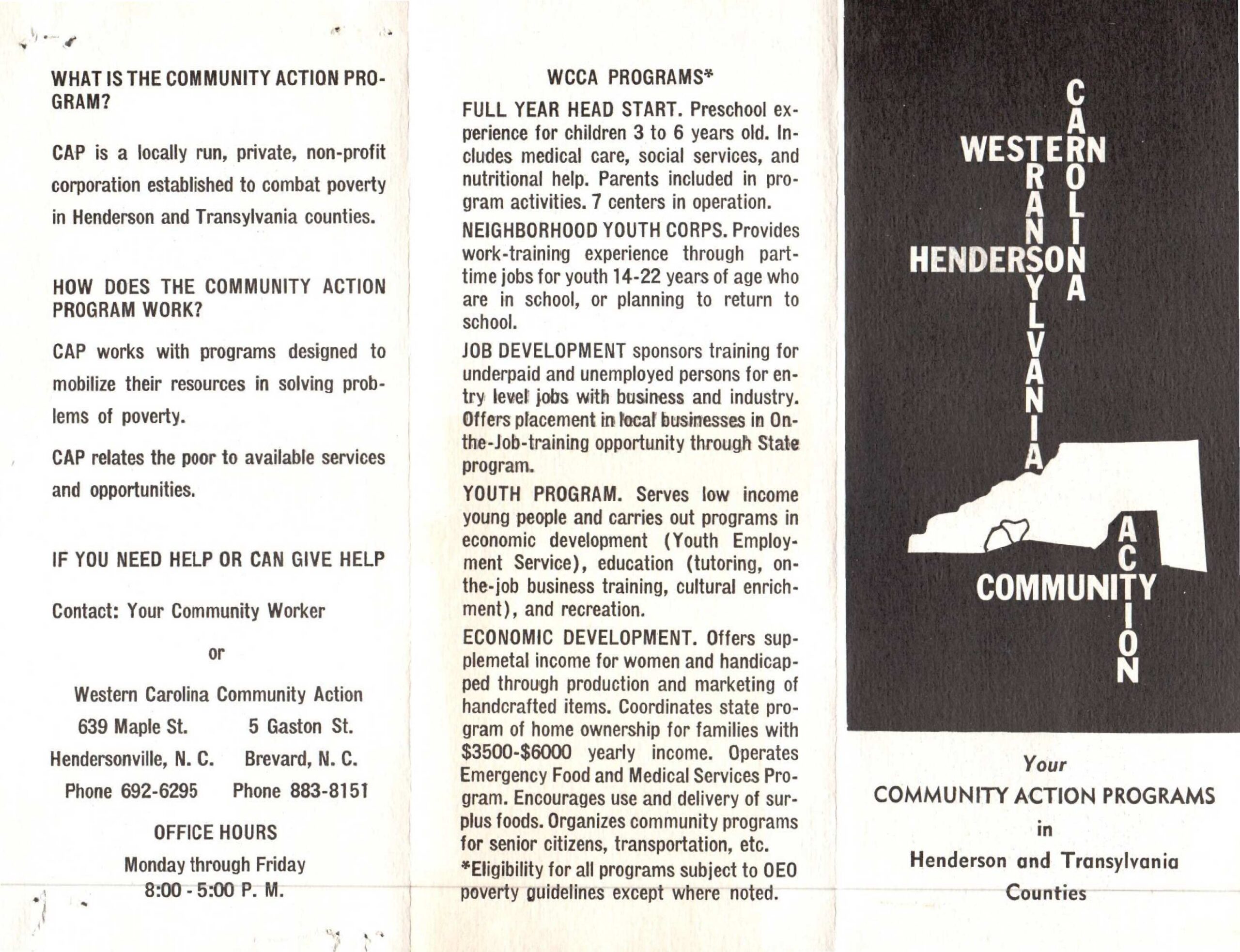
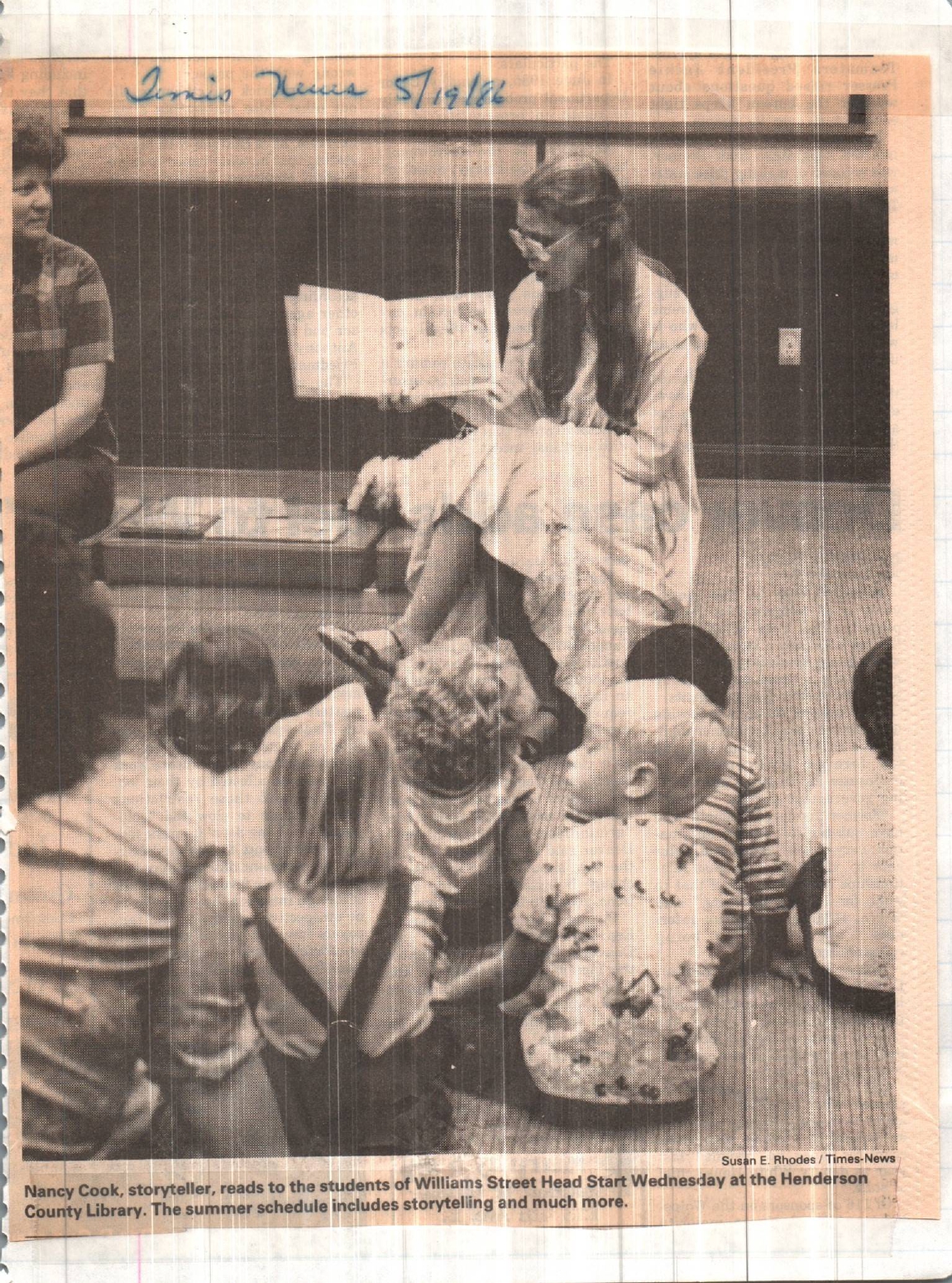
Local leaders in Henderson County form a Community Action effort focused on education, job training (originally called Manpower), and early childhood development.

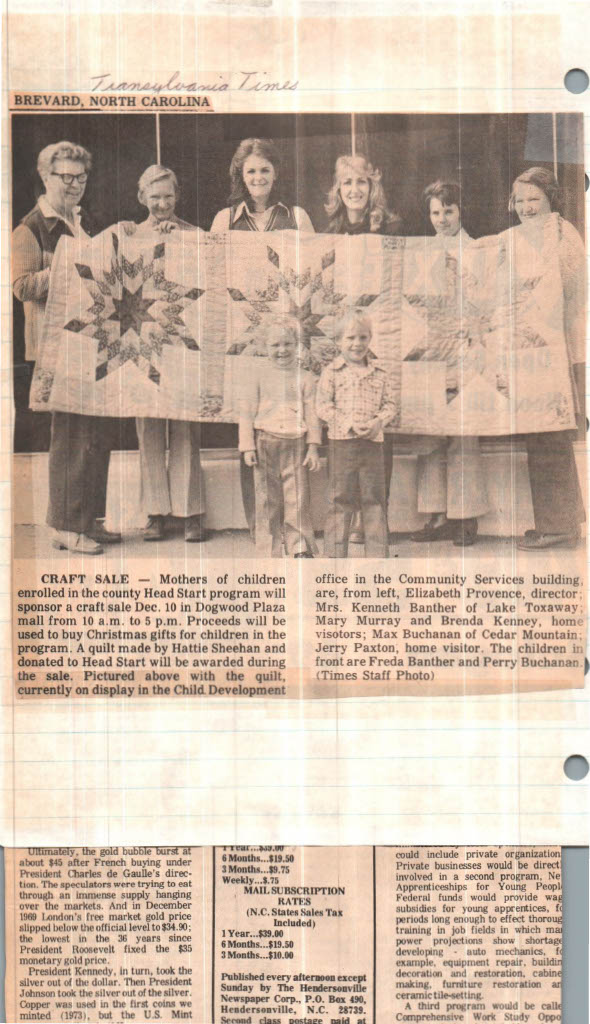
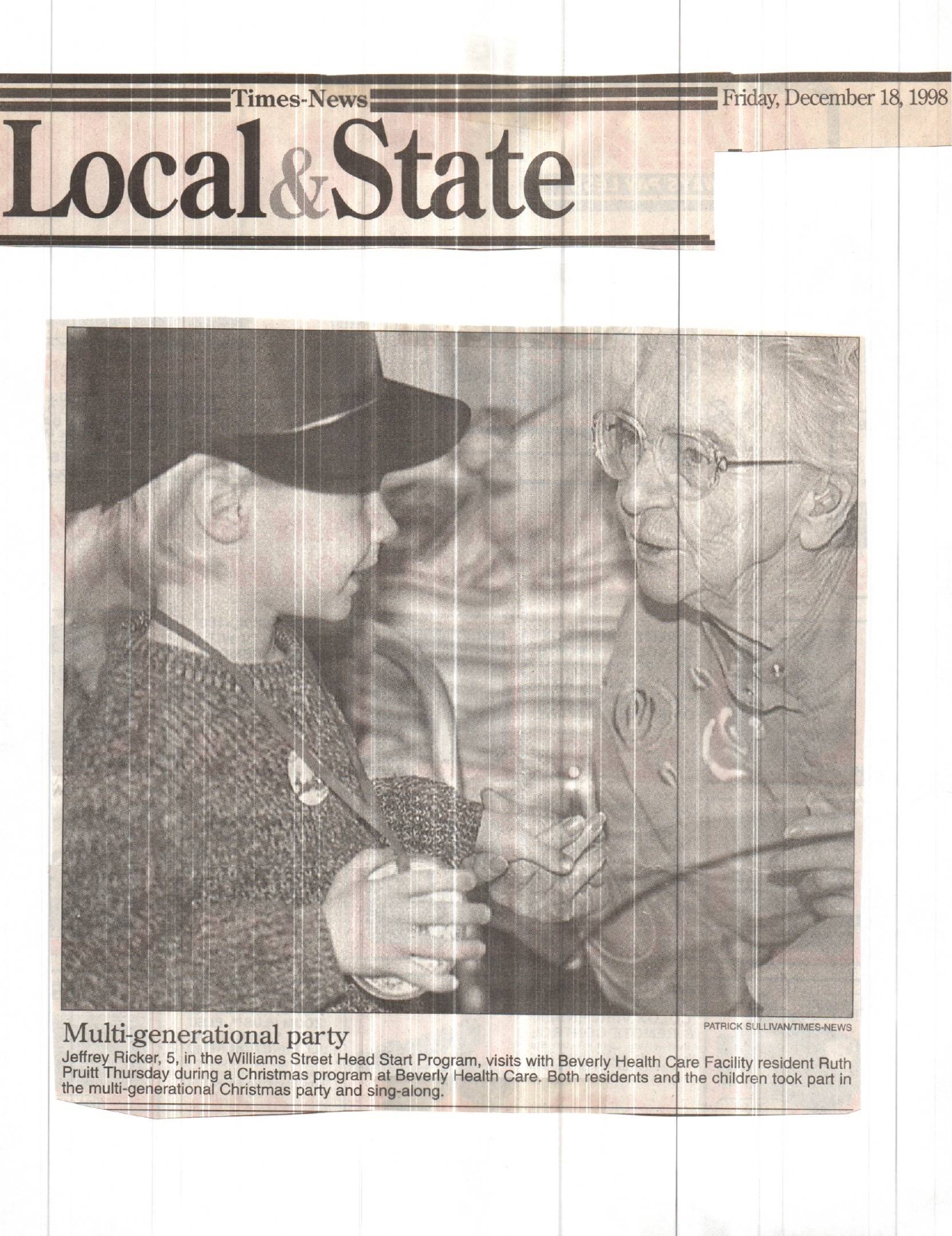
That same year, Head Start begins locally, providing children with early education, nutrition, and opportunity, laying the foundation for generations of success.

1966

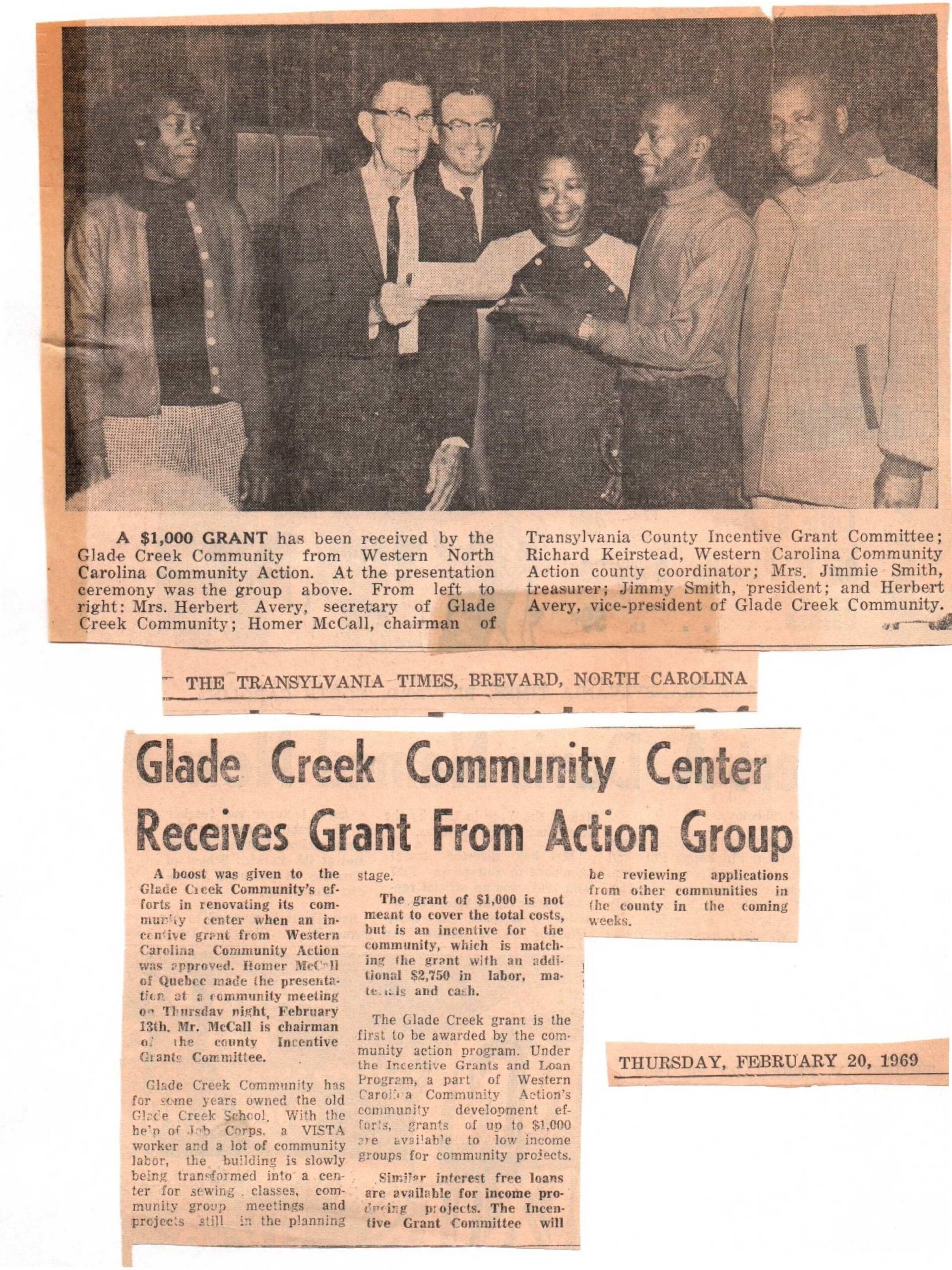
Western Carolina Community Action (WCCA) is officially incorporated and expands to include Transylvania County.

1969

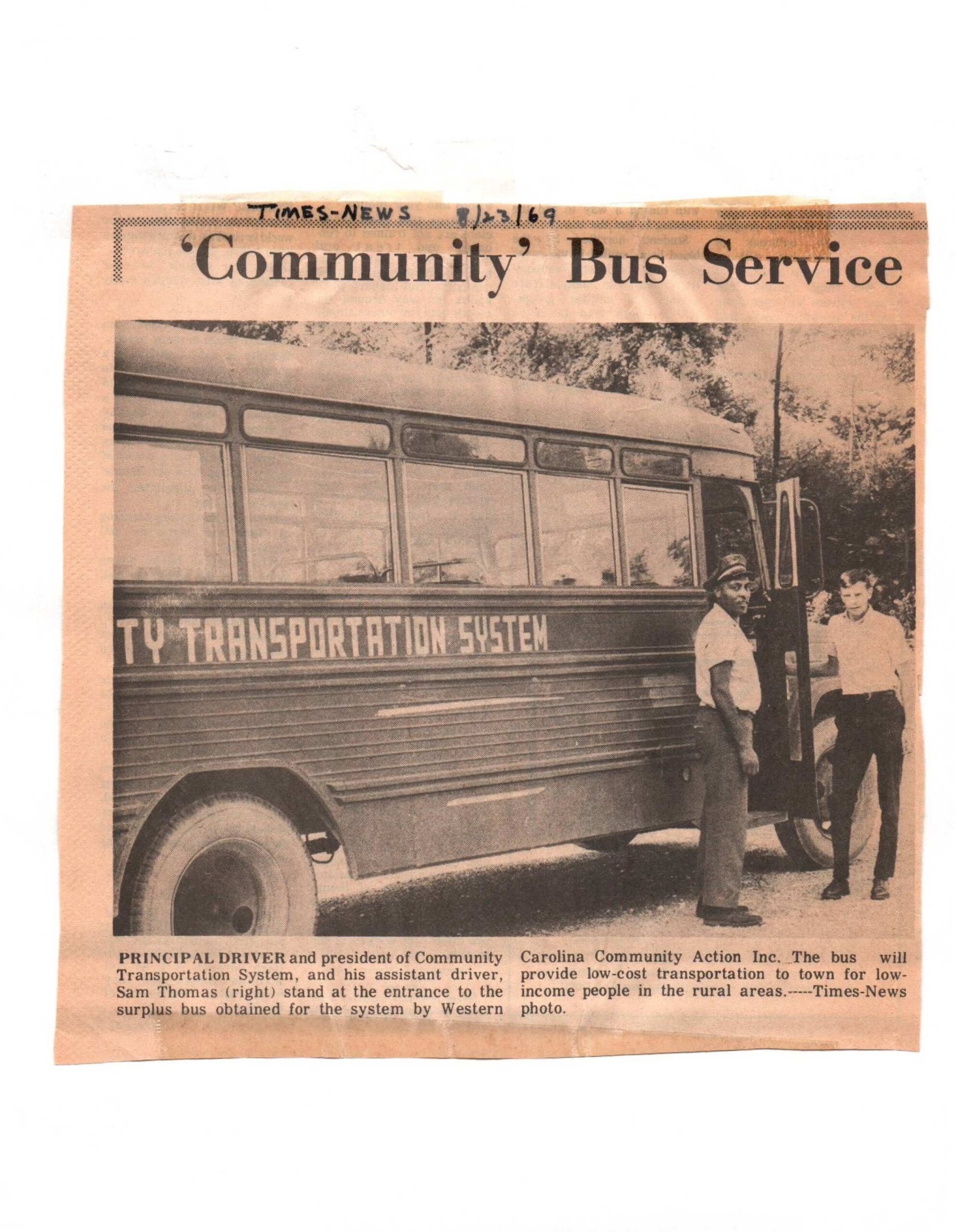
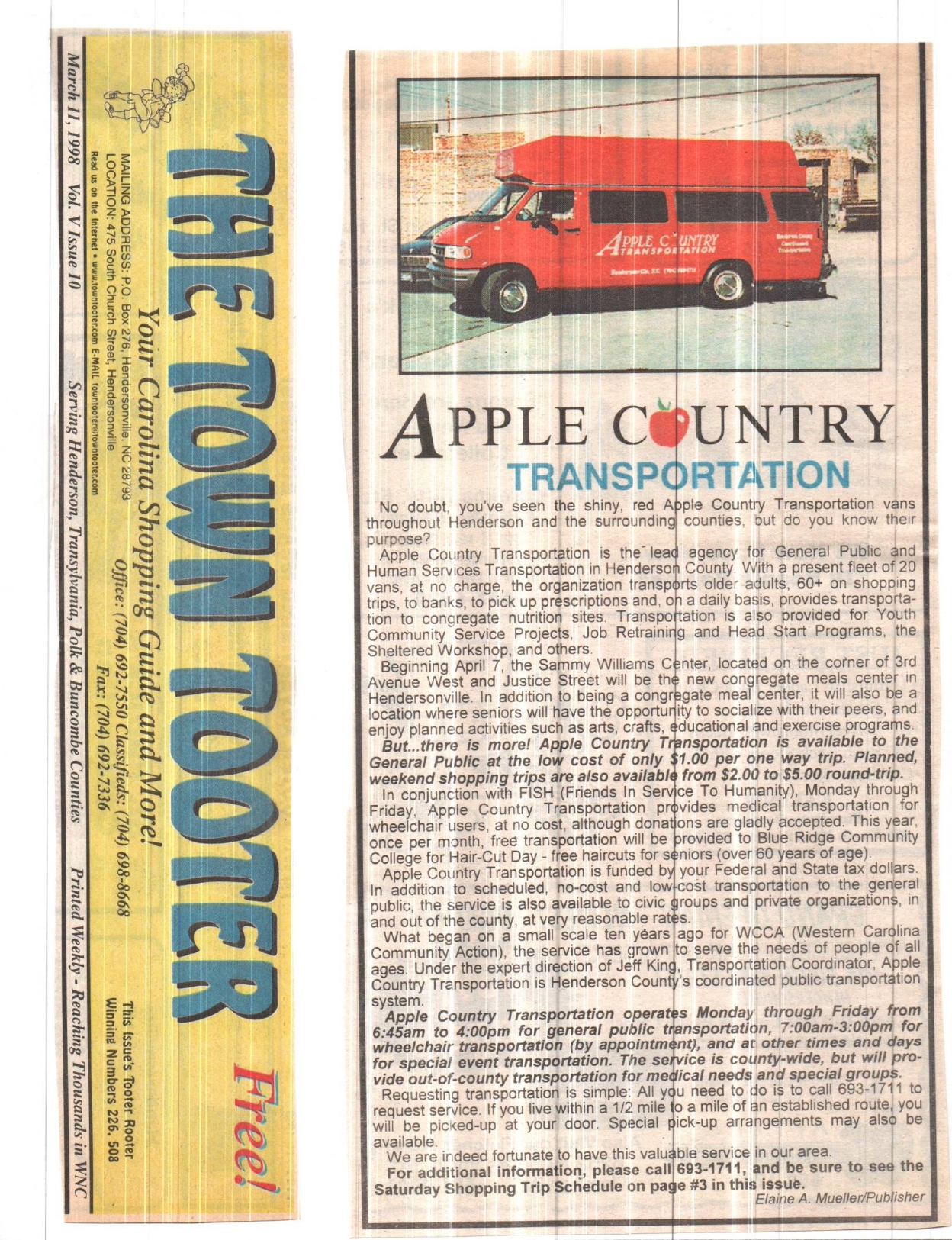
As the nation celebrates the Apollo 11 Moon Landing, WCCA launches its transportation program, connecting rural residents to jobs, healthcare, and essential services – bringing opportunity closer to home.

WCCA also expands into housing development, helping families build homes and establish stability.

1970's: Building Pathways to Stability

Amid economic strain and the end of the Vietnam War, the need for community-based support grows.

 1973

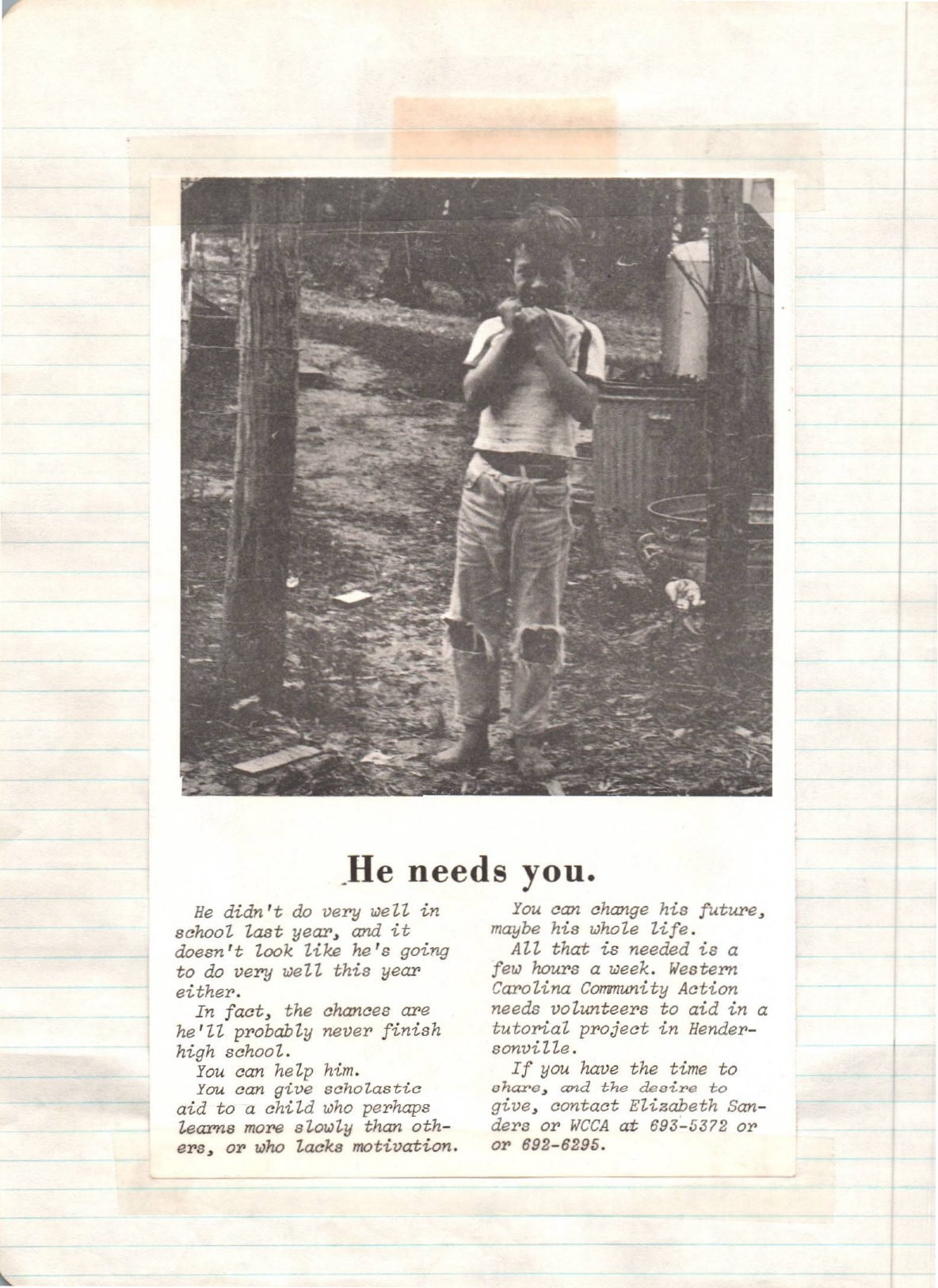
The Comprehensive Employment and Training Act (CETA) expands job opportunities for youth and young adults ages 14-21.

1976-1977

WCCA launches the Volunteer Income Tax Assistance and gardening programs to promote self-sufficiency.

1979

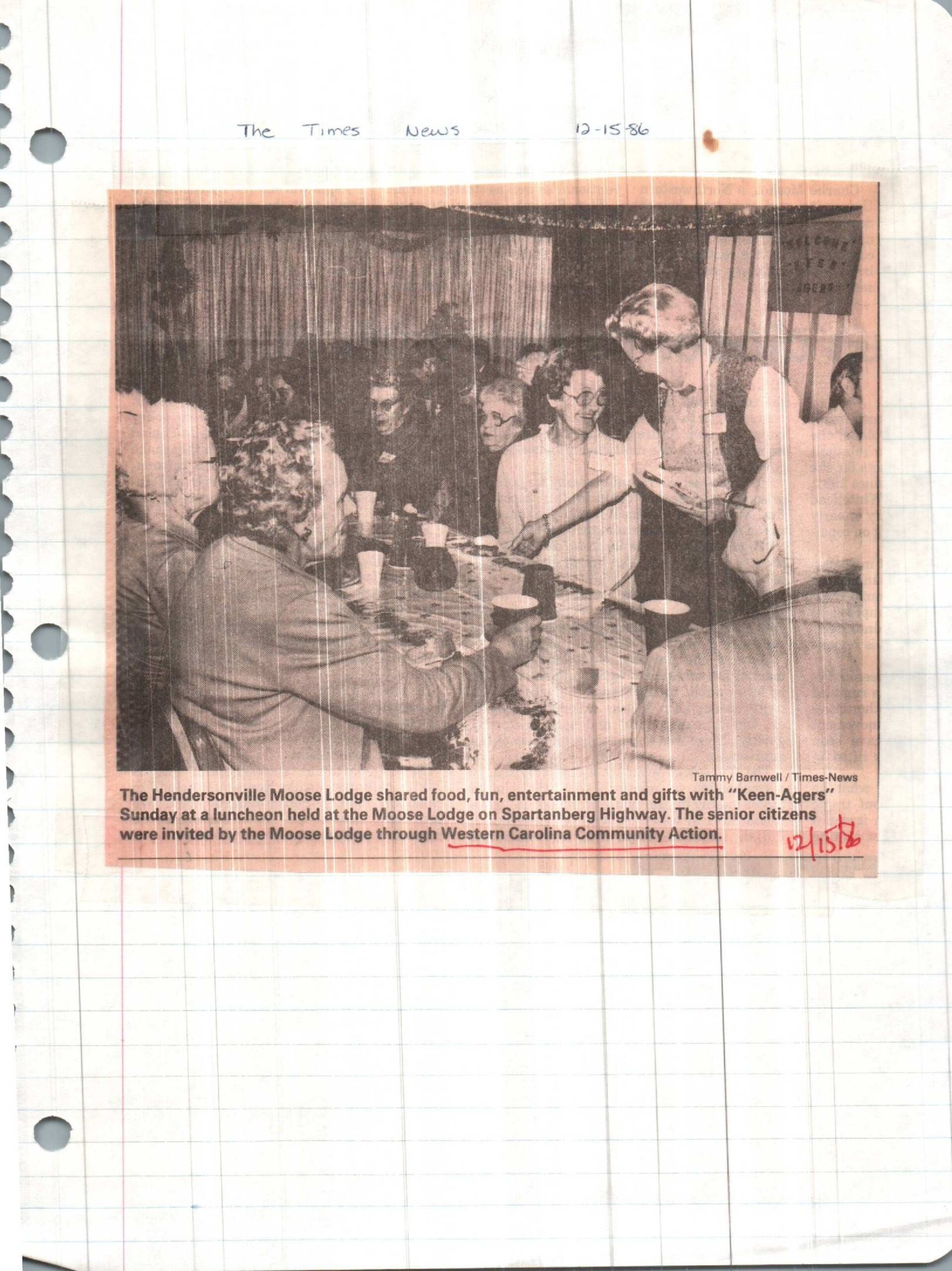
WCCA begins transporting older adults to meal sites and launches early weatherization efforts—helping families reduce energy costs and stay safe.

WNCSource moves to 7th Avenue, where our Transportation Office remains today!

1980's: Meeting Needs in Changing Times

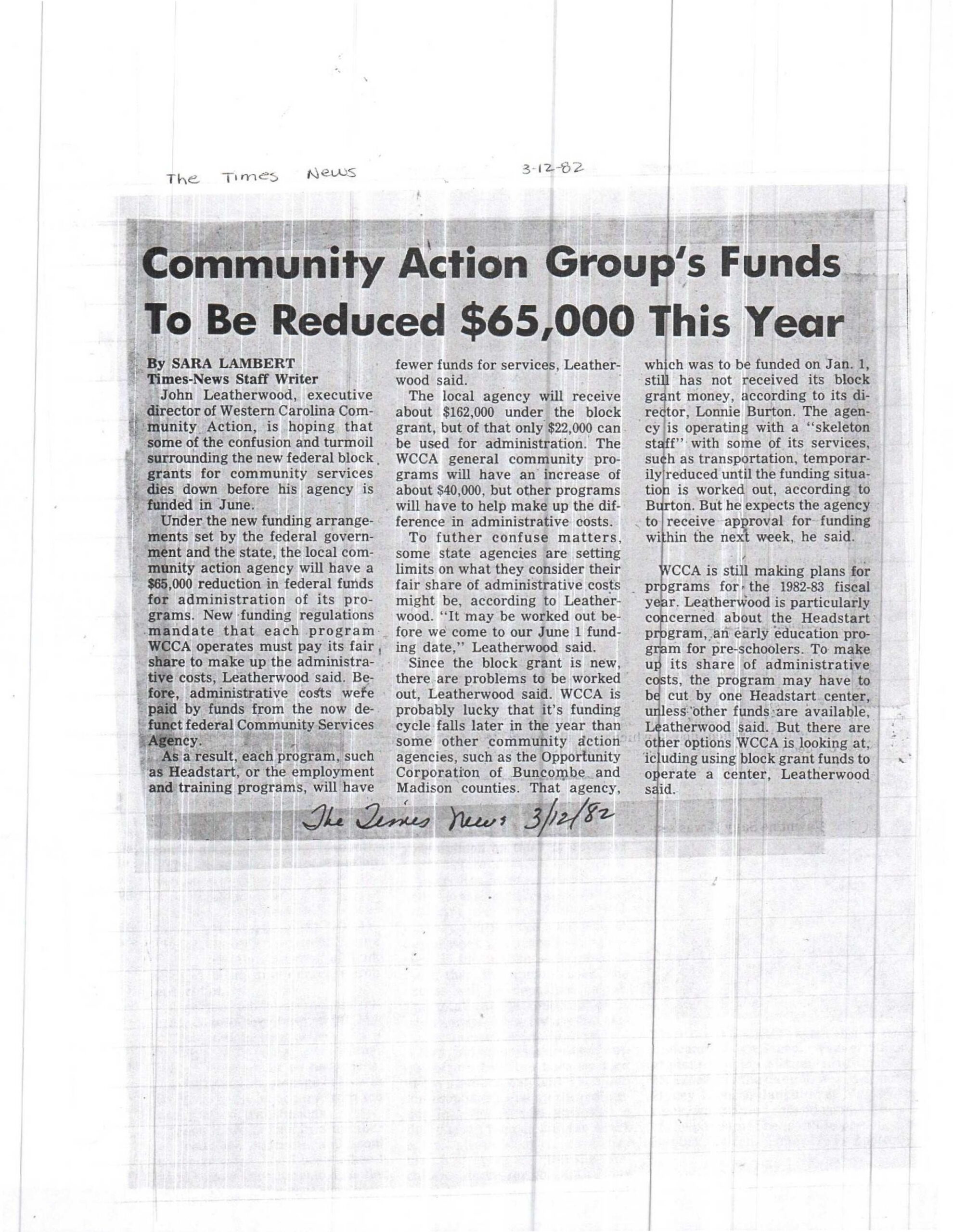
As federal funding shifts under Ronald Reagan, local organizations like WCCA become even more essential and learn how to do more with less.

1980

The launch of Section 8 housing assistance helps families afford safe housing.

1981-1983

Community programs like the food pantry and childcare assistance emerge to meet growing needs.

The Job Training Partnership Act replaces CETA, continuing workforce development efforts.

1986

WCCA strengthens its transportation fleet by adding and refurbishing 8 vans to better serve older adults and people with disabilities.

1990's: Expanding Opportunity and Access

Welfare reform reshapes the safety net through the Personal Responsibility and Work Opportunity Reconciliation Act, emphasizing employment and self-sufficiency.

1996

Transportation services evolve to serve rural residents, improving access for a broader population.

1997

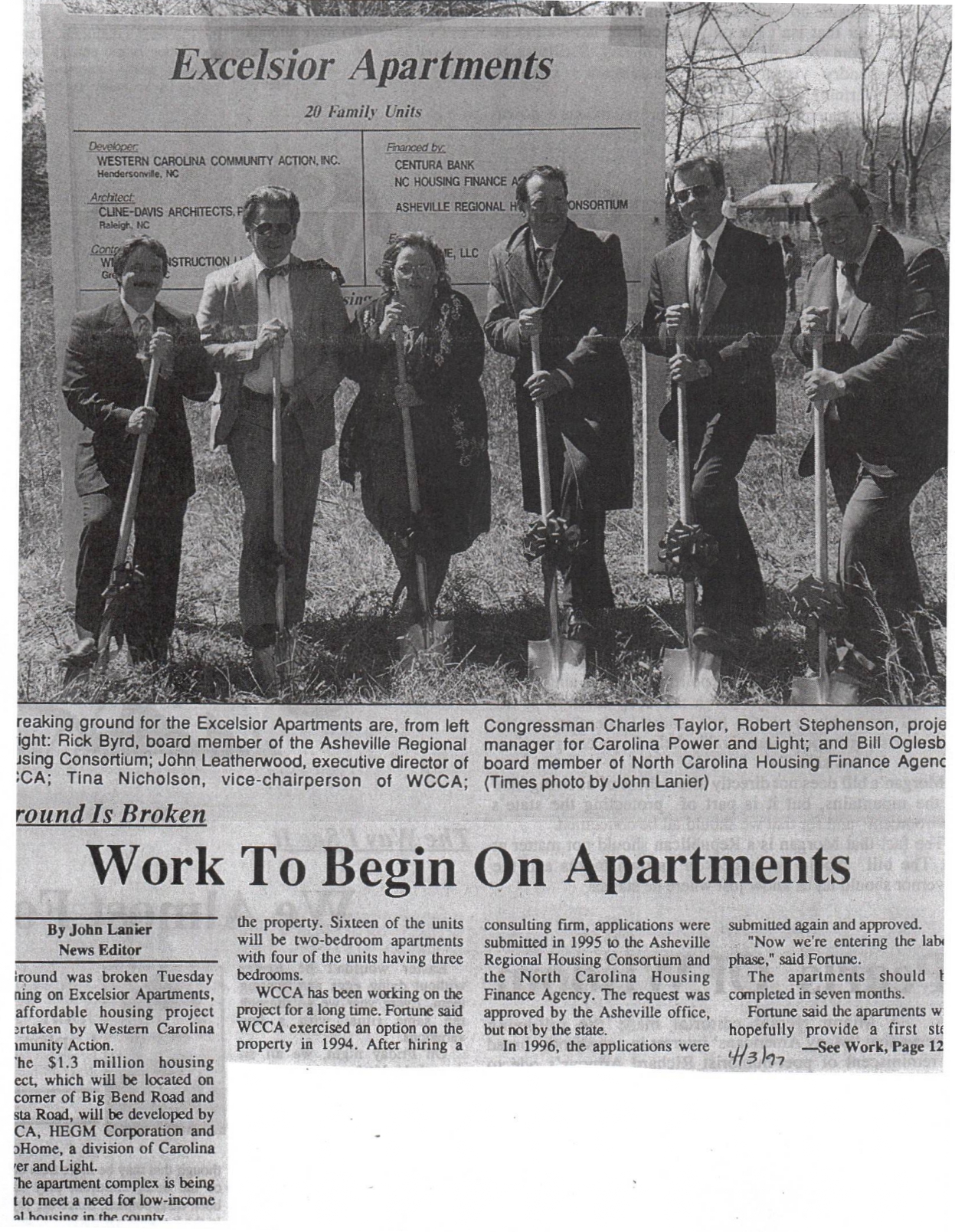
WCCA begins developing affordable housing in Transylvania County and helping low-income families in becoming home owners.

1999

WCCA launches Early Head Start, expanding its impact to infants, toddlers, and families.

2000's: Growth, Connection, and Resilience

Following the September 11 Attacks and the Great Recession, demand for services rises sharply.

2000

A new Early Childhood Center opens in Brevard, expanding service capacity. 

2002-2003

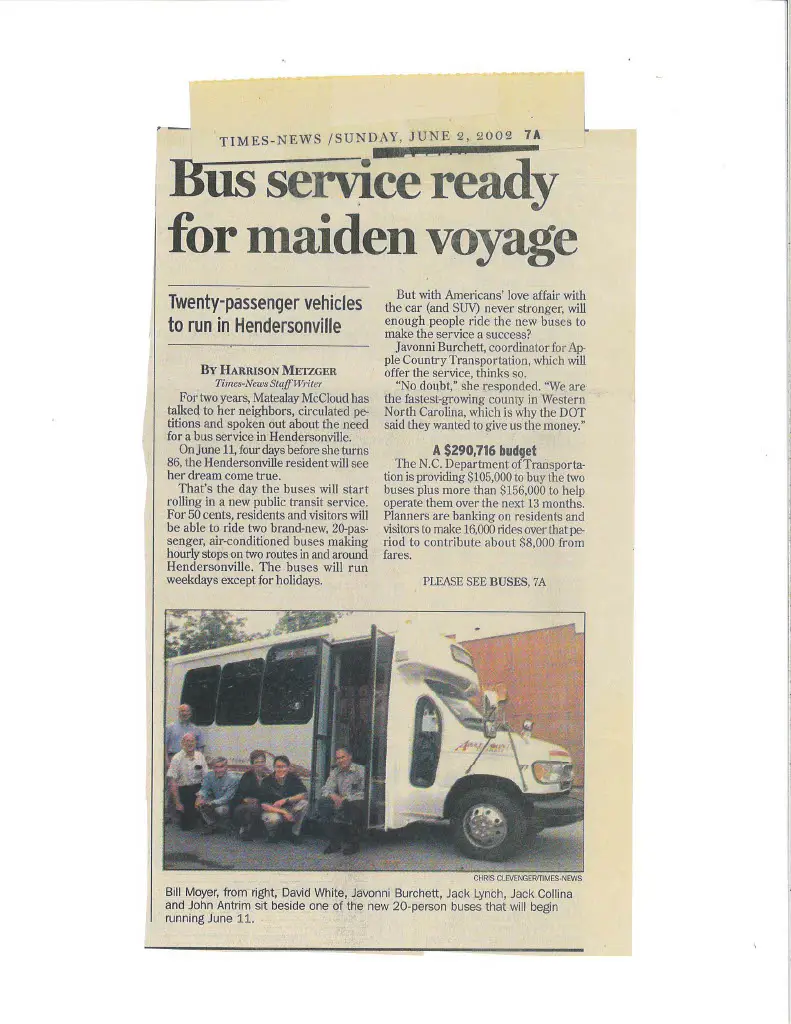
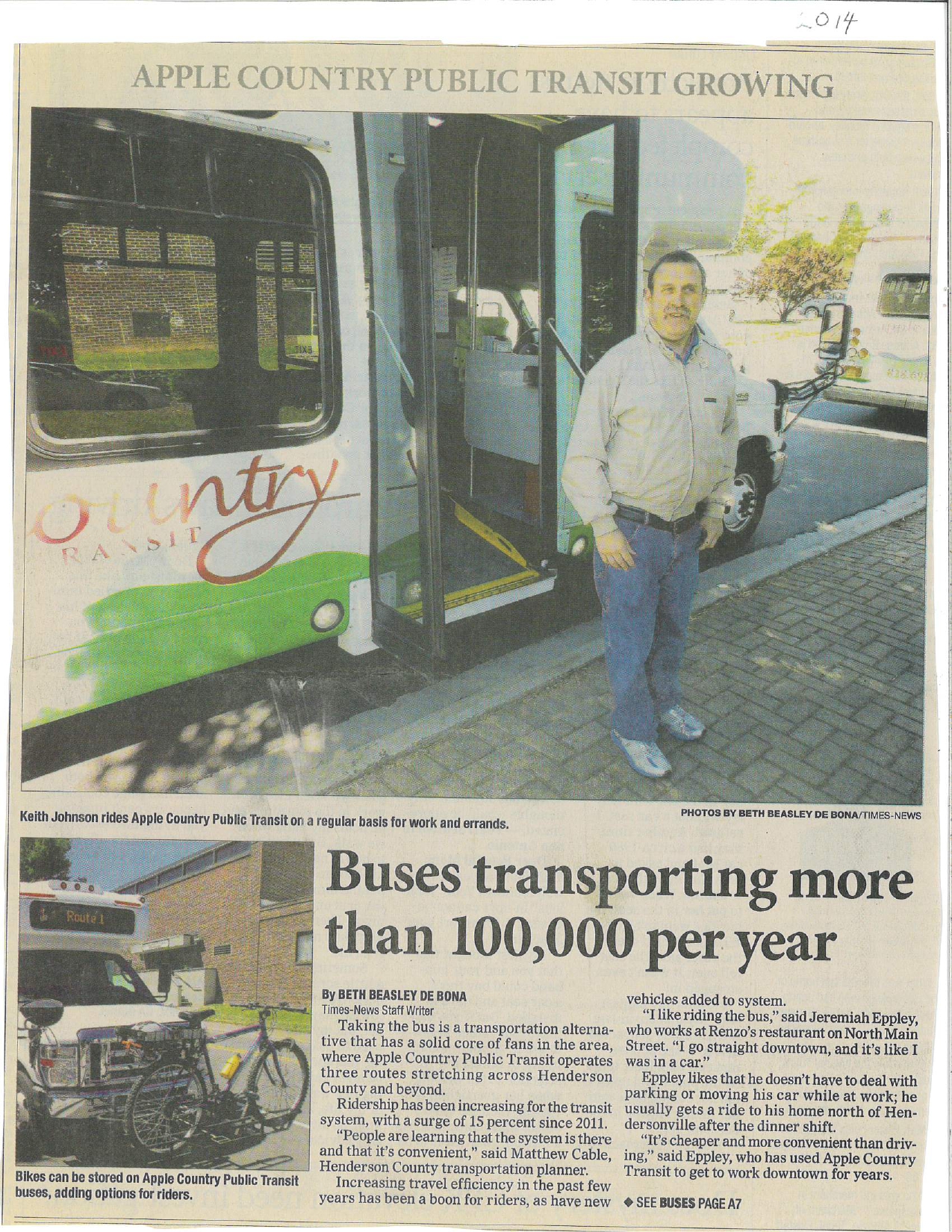
WCCA launches a public transit service with two lines in Hendersonville and Laurel Park. A third line is added a year later to access Fletcher and Asheville Airport, linking communities beyond county lines.

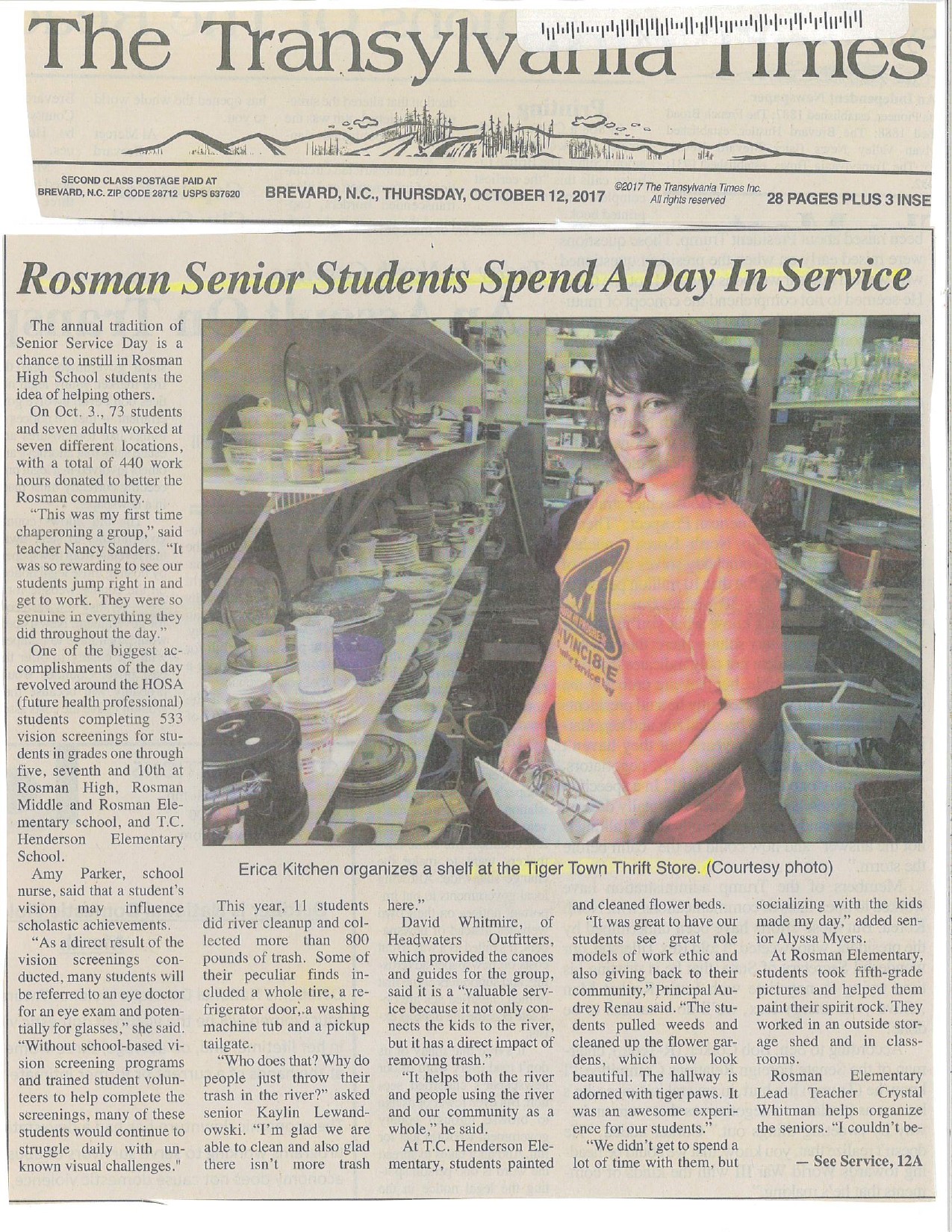
Tiger Town Thrift Store opens in 2002 to provide additional funding to Older Adult Services in Transylvania County.

2005

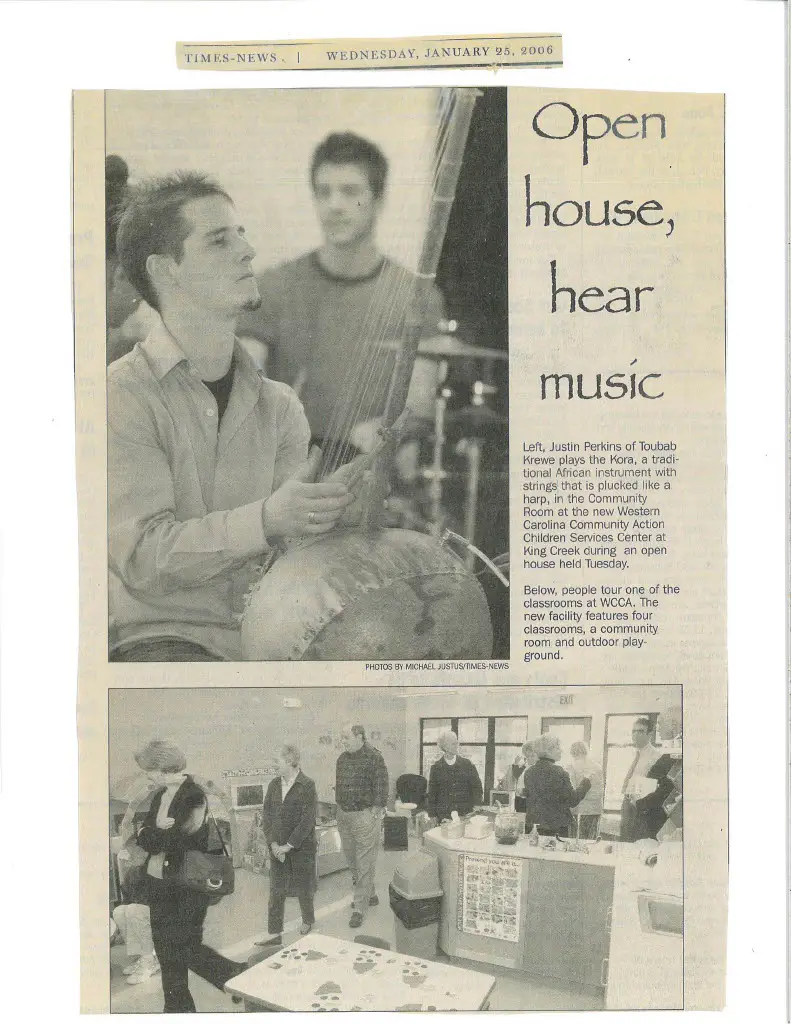
WCCA opens its King Creek campus, creating a central hub for services.

2008

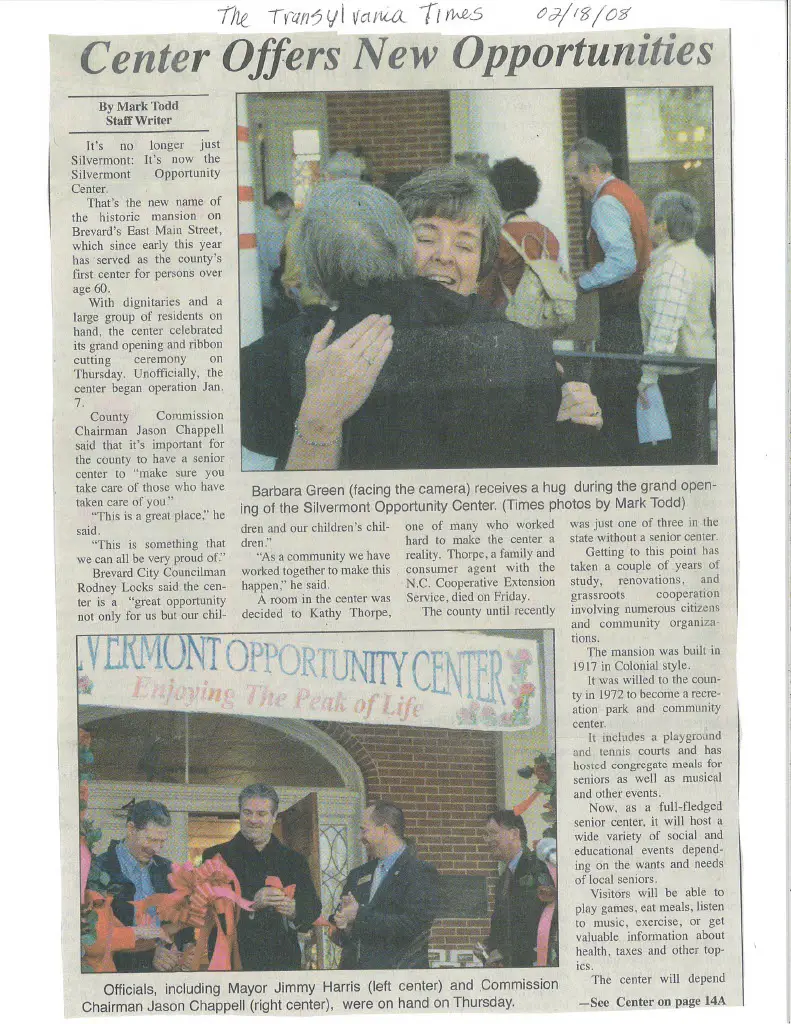
Silvermont Opportunity Center opens as Transylvania County’s only official senior center, providing social and educational events.

2010's: Innovation and Community Impact

As the economy recovers, WCCA continues to innovate

2010

WCCA introduces eco-friendly compressed natural gas vehicles, modernizing transportation through federal funding.

2011

Silvermont Opportunity Center earns a Center of Excellence designation.

2015

WCCA expands Early Head Start through childcare partnerships, reaching more families across multiple counties.

2020's: Rising to New Challenges

The COVID-19 Pandemic and Hurricane Helene create unprecedented challenges, especially for vulnerable populations.

2022

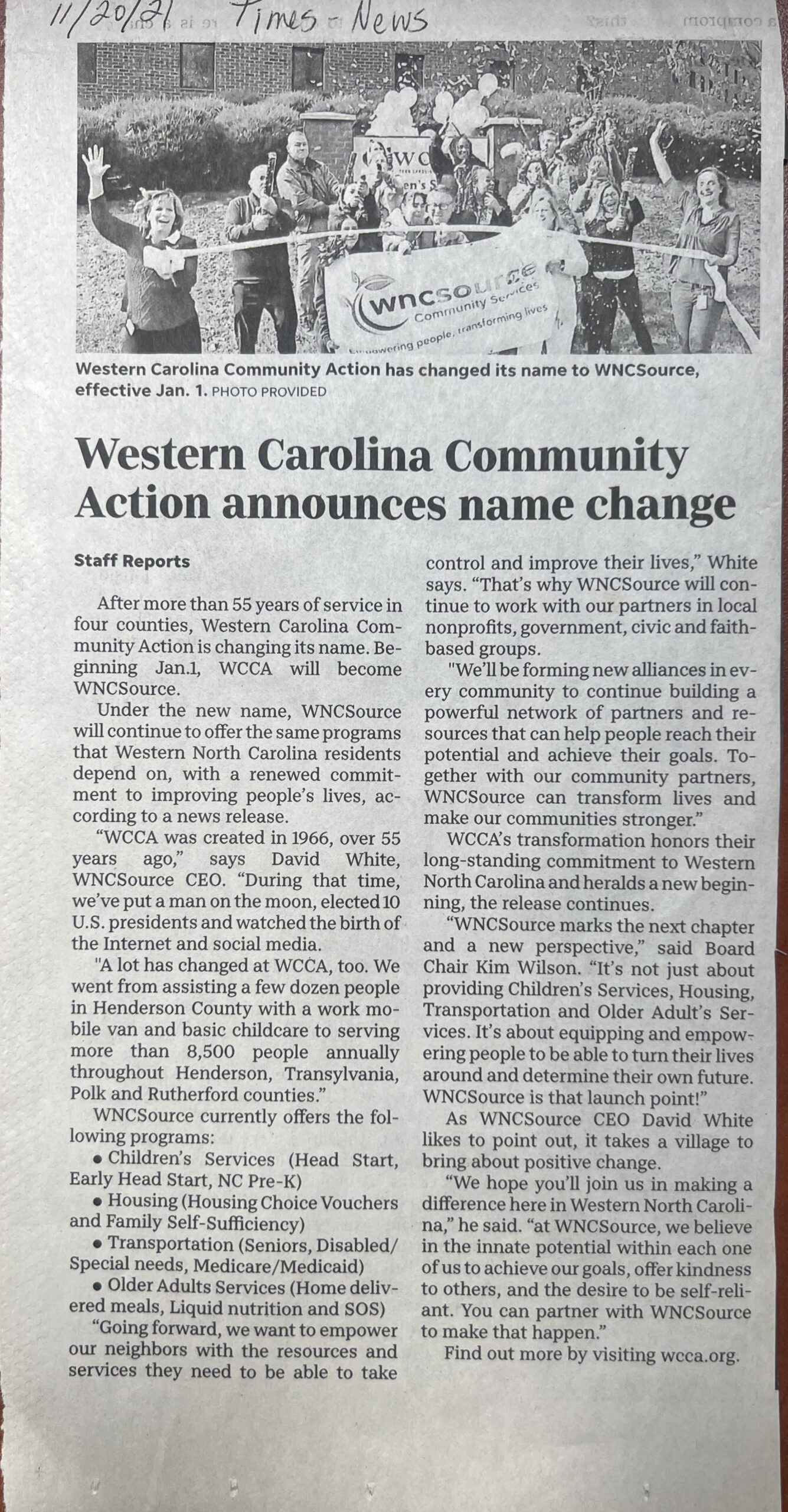
WCCA rebrands as WNCSource, marking a new chapter and a new perspective for the organization.

2025

WNCSource re-opens Etowah Children’s Center after flood damage from Hurricane Helene and opens Columbus Children’s Center, expanding Early Head Start services to 24 infants and toddlers in Polk County.

2026

Today, WNCSource operates in four program areas:

  • Children’s Services
  • Older Adult Services
  • Affordable Housing
  • Community Transportation

And in four counties in Western North Carolina:

  • Henderson
  • Transylvania
  • Rutherfordton
  • Polk

From the War on Poverty to today, WNCSource’s story is one of adaptation, resilience, and community-driven impact—meeting each moment in history with action and purpose.

Looking Forward Toward the Future

WNCSource's Strategic Plan for 2025-2030

Celebrate With Us!

Join us at our Diamond Jubilee Galas and help us continue our work for the next 60 years and beyond!

Henderson County Celebration

August 6, 2026 | 6 PM-10 PM | Hendersonville Country Club

Transylvania County Celebration

September 4, 2026 | 6 PM-10 PM | The Porter Center at Brevard College

Would You Like to Sponsor Our 60th Anniversary Celebrations?

We are offering 5 sponsorship levels for our 60th anniversary galas. Read all about the benefits of sponsorship and how to become a sponsor.

We can’t do this without your support!
Thank You to Our Incredible Partners

Contact FSS Caseworker

Income Limits

2025-2026 Housing Choice Voucher Program Income Limits by County and Family Size

Henderson County
1 Person in Family: $32,600
2 People in Family: $37,250
3 People in Family: $41,900
4 People in Family: $46,550
5 People in Family: $50,300
6 People in Family: $54,000
7 People in Family: $57,750
8 People in Family: $61,450

Transylvania County
1 Person in Family: $29,400
2 People in Family: $33,600
3 People in Family: $37,800
4 People in Family: $42,050
5 People in Family: $45,400
6 People in Family: $48,750
7 People in Family: $52,100
8 People in Family: $55,500